Event Planning Miami: 7 Mistakes That Can Ruin Your Corporate Event (and What to Do Instead)
The most common mistake in event planning in Miami is booking the hotel before designing the agenda. Miami has extraordinary settings, but its distances, its bridges and its high-demand weeks (Art Week, Ultra, Formula 1, major conventions) can turn a perfect plan into hours of waiting. Here are the 7 mistakes we see most often in corporate events in Miami, and what to do instead, based on more than 25 years producing events, conferences and experiences for brands and institutions around the world.
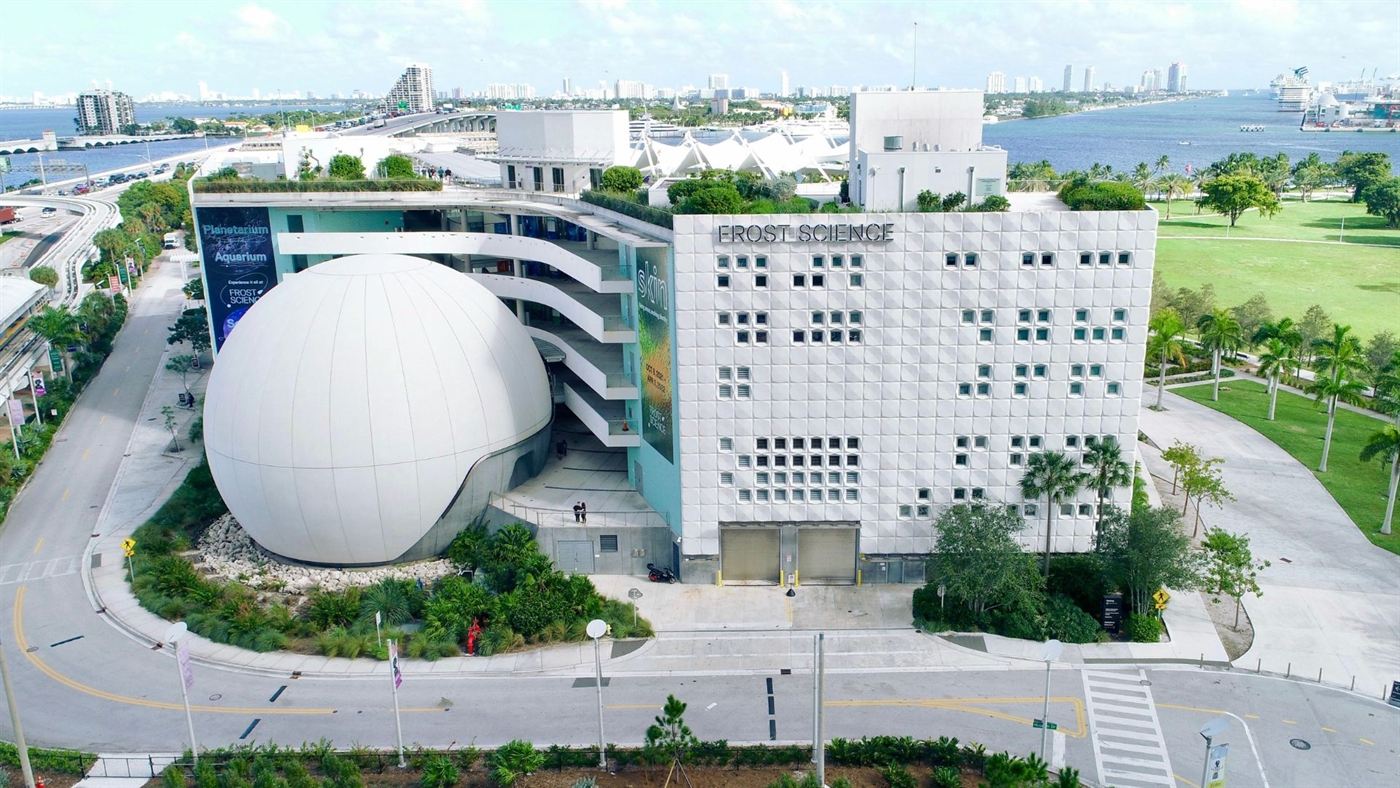
The 7 mistakes at a glance
- 1. Choosing the hotel before the agenda.
- 2. Trusting the GPS during Miami's high-demand weeks.
- 3. Only searching "event venues" on Google, and missing galleries, gardens, waterfront residences and studios.
- 4. Designing the same event for every audience, when a government delegation and a startup need different things.
- 5. Confusing creativity with adding tech or another DJ.
- 6. Treating logistics as a commodity instead of part of the experience.
- 7. Not checking the track record of whoever will execute your event.
Mistake 1: Booking the hotel before designing the agenda
Picture an international gathering: guests stay at a stunning Miami Beach hotel, meetings are in Brickell, there's an afternoon activity in Wynwood and dinner is back in South Beach. On paper, it's a great itinerary. In practice, the question is how much time people spend enjoying Miami and how much they spend in a van.
Each area has its own profile:
- Brickell and Downtown: the financial district, with business hotels, meeting space and easy access to MIA airport.
- Miami Beach: the beach, iconic hotels and the Miami Beach Convention Center. Ideal for incentives and Art Basel-related events.
- Wynwood and the Design District: art, design, galleries and creative spaces for activations, dinners and launches.
- Coral Gables: quieter and more elegant, with classic hotels close to the airport; good for executive meetings.
What to do instead: design the agenda first, then choose where the group stays. You can often reorganize the program so each day happens in a single area, or turn the transfer itself into part of the experience. An extraordinary event is also one that respects your guests' time.
Mistake 2: Planning with normal GPS times
Miami has a geographic quirk: some of its most attractive areas, like Miami Beach, connect to the mainland through just a few bridges and causeways. During a major event, those access points saturate. The City of Miami Beach warns in its Art Week advisories that traffic intensifies, especially on weekday afternoons, and that any incident on I-395, I-195 or I-95 makes delays leaving the island worse.
It doesn't only happen on the official dates: build days, side events, private receptions and teardowns extend the movement of people and vendors before and after each event. In exceptional situations, with an accident or a closure, a group can get stuck on a bridge for hours. It isn't typical, but it's a scenario any serious operation should plan for.
Miami's highest-demand weeks (2026–2027)
- Miami Art Week and Art Basel Miami Beach: December 1–6, 2026. See our Art Basel 2026 guide.
- Miami Music Week and Ultra Music Festival: Ultra runs March 26–28, 2027 at Bayfront Park, right in Downtown.
- Formula 1 Miami Grand Prix: expected April 30 to May 2, 2027 in Miami Gardens (provisional until F1 confirms the calendar).
- Other weeks to watch: the Miami Open tennis tournament (usually in March), the Miami International Boat Show (usually in February) and large conventions at the Miami Beach Convention Center.
What to do instead: don't build the agenda with the times GPS shows on an ordinary Tuesday. Account for peak hours, alternate routes, meeting points and, above all, the option of keeping activities in one area. A smart schedule change can avoid extra vehicles, lower costs and let guests enjoy much more. In corporate logistics, real efficiency isn't always moving faster: often it's not having to move as much.
Mistake 3: Only searching for "event venues"
Miami has luxury hotels, renowned restaurants and spectacular rooftops. It also has gardens, museums, cultural spaces, galleries, waterfront residences, creative studios, historic sites and places that were never designed for events. What if, instead of another traditional corporate dinner, we created a private experience in an unexpected space? Or turned a gallery into a brand's immersive world for one night?
Not every space allows every kind of production. Depending on the venue and format, there may be safety, sound, capacity and structural requirements, plus special event permits from the City of Miami or the City of Miami Beach. That's why we don't start by looking for an available ballroom: we start with the experience we want to create, then find where it can happen, negotiate the terms and confirm it's feasible.
That's how we approach destination and venue sourcing. For concrete ideas, see our Miami experiences.
Mistake 4: Designing the same event for every audience
It's one of the most important differences, and one of the most overlooked:
- Government and institutional delegations: privacy, protocol, controlled access, security and a carefully designed cultural program.
- C-level executives: private conversations, high-end dining, spaces that make networking easy and no unnecessary interruptions.
- Tech companies: interactive demos, immersive installations and launches worth filming.
- Startups: flexible, approachable formats where people connect without the stiffness of a conference.
- Healthcare and medtech: compliance, confidentiality, technical demos and scientific communication.
- Consumer brands: visibility, spontaneous participation and content guests want to share.
Before recommending a venue, format or production, we always ask three questions: who will attend, what do we want them to experience, and what concrete result does the organization need? An event shouldn't be designed only to impress. It should help achieve something. That's how we approach corporate events and MICE.
Mistake 5: Confusing creativity with adding more
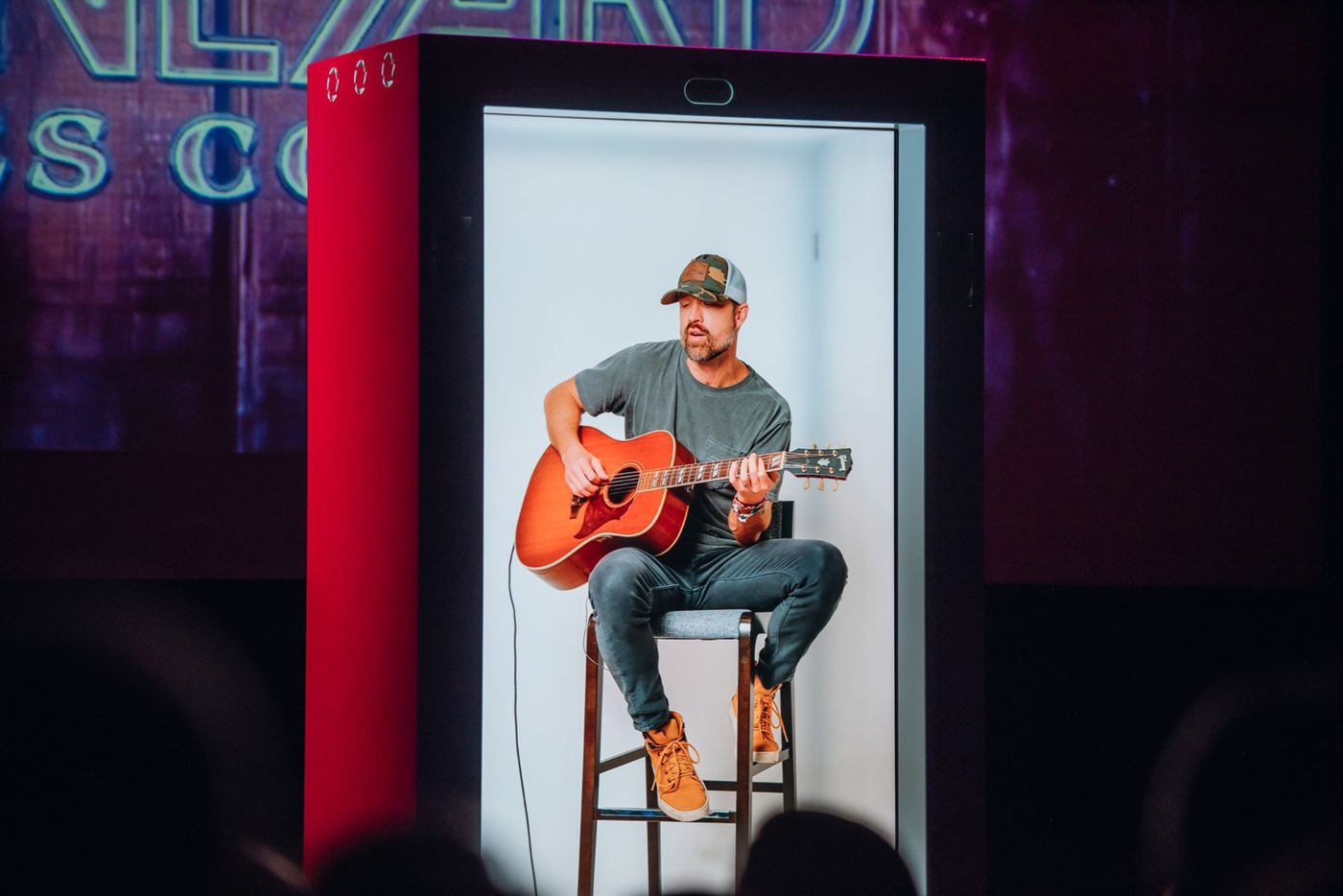
We love great music, a well-produced party and a dinner in a stunning setting. But creativity doesn't stop there. What if the experience starts before guests realize it has started? What if an art intervention appears in the middle of a reception? What if an ordinary space becomes an immersive experience designed only for one brand's identity?
In Miami you can combine art, technology, food, entertainment and stagecraft in extraordinary ways: pop-ups, activations, sensory experiences, projection mapping, holograms, performances and participatory formats. But being creative doesn't mean adding tech or artists for the sake of it. Creativity starts when we understand the audience and find an original way to connect with them. Sometimes that's a big production; sometimes it's a simple idea executed extraordinarily well.
See pop-up events, brand activations and multi-city campaigns and event technology, AV and immersive experiences.
Mistake 6: Treating logistics as a commodity
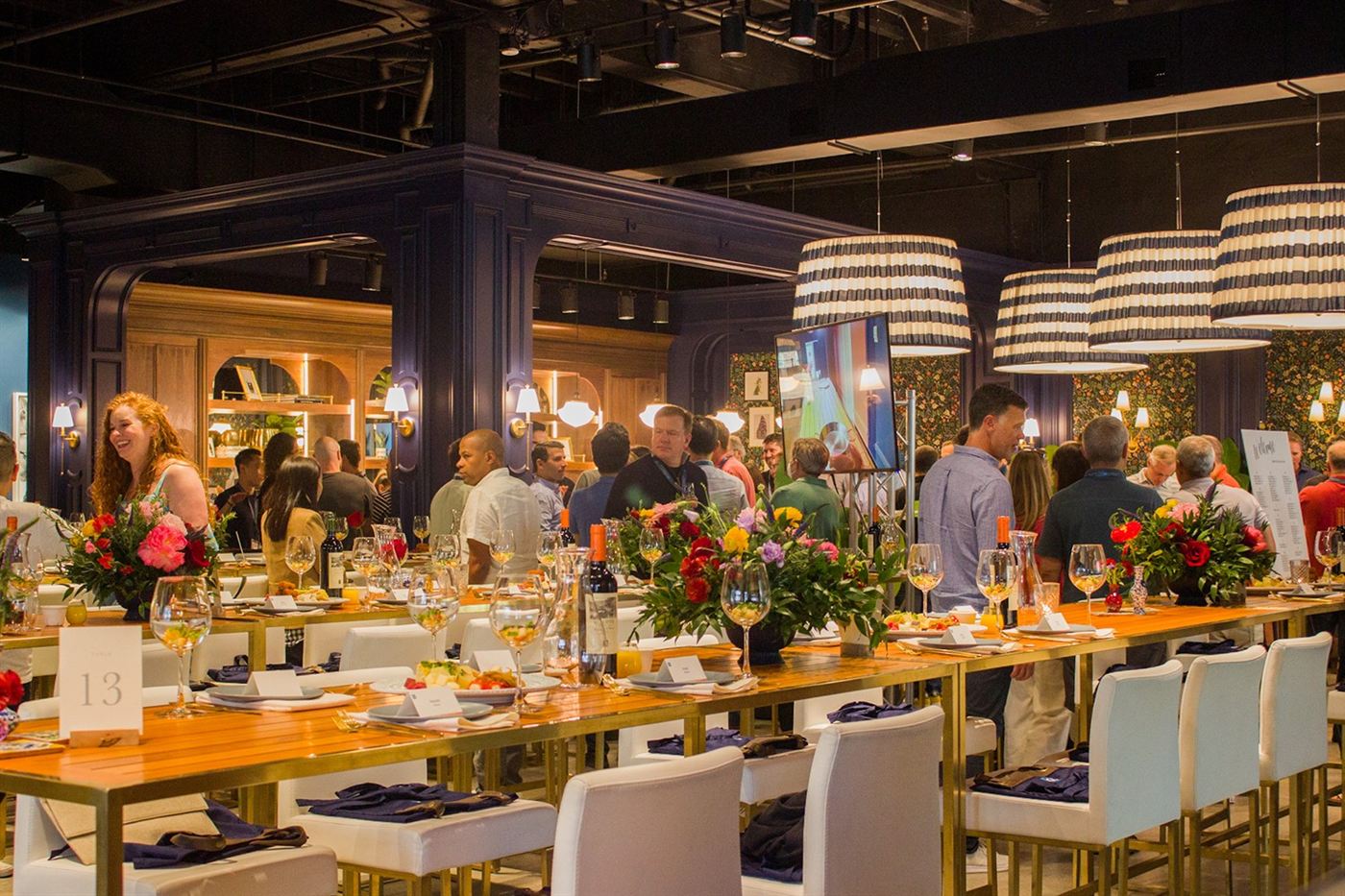
In a Miami corporate event, transportation is the backbone: airports (MIA and FLL), hotels, the convention center, restaurants, private meetings and special activities are all part of one operation. Good logistics go far beyond booking a sprinter, a coach or an executive car: it means coordinating flights, schedules, luggage, guest arrivals, accessibility, meeting points, routes, vendors and last-minute changes.
A delegation of international executives doesn't need the same service as an incentive group or the attendees of a large convention. The experience can start at the airport, with a personal welcome and an itinerary designed for that group. And when there are many activities, central coordination makes every vendor work as part of one operation. The best logistics work so well that guests barely notice them.
We explain it step by step in our corporate transportation guide for Miami. We handle it through DMC, business travel and incentive programs and event production, staffing and content.
Mistake 7: Not checking who will actually execute your event
Today it's easy to find vendors, book spaces or hire entertainment through a platform. And Miami has excellent professionals and agencies. But when a company trusts its event to an outside team, the credentials of whoever will execute it deserve as much attention as the creative proposal. These are the questions we'd ask:
- How many years of experience do they have, and in which markets?
- Have they managed international groups and executive audiences?
- Do they know technical production, hospitality and local vendors?
- Can they adapt an idea when reality changes?
- Can they show real cases, with brands and results?
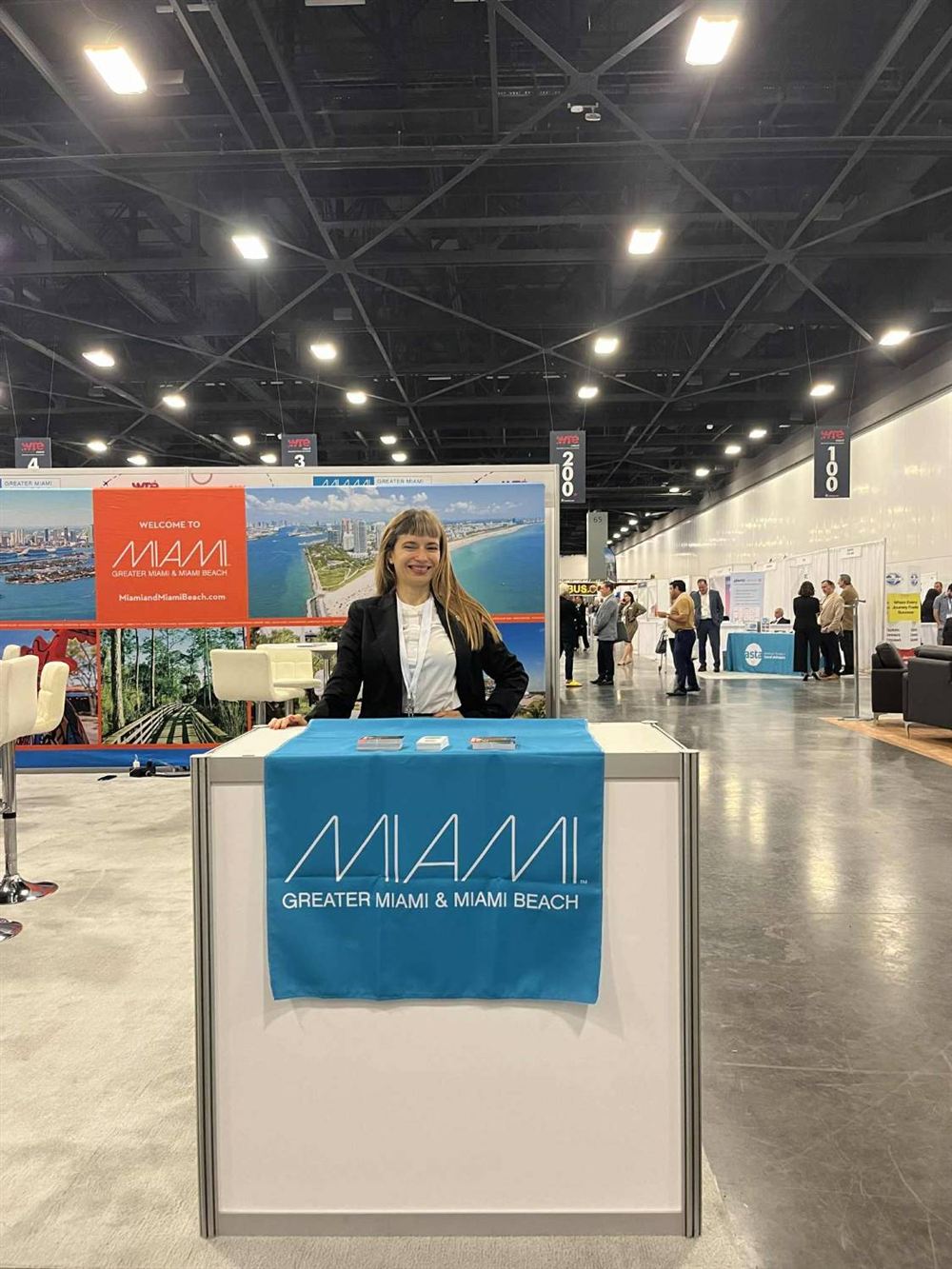
CDH Tech Global has worked since 1999 in event production, conferences, corporate experiences, brand activations and destination operations across the Americas and Europe. Our experience includes Formula 1 in Miami, CES in Las Vegas (see our CES 2027 guide), international conferences, a three-day incentive for 1,000 people for Samsung and Intel, and a year-end celebration for 3,000 people for Deloitte. See our case studies. Our founder, Vanina Romero, was recognized by the Eventex Awards 2025 among the most influential professionals in event production and is a former coordinator of the Tourism and Hospitality Committee of the Argentine American Chamber of Commerce of Florida (AACC).

A good idea can come in minutes. Turning it into a real experience takes craft. Technology helps, creativity inspires, and experience is what makes it happen.
What we do in Miami
- Corporate event planning and MICE: conferences, conventions, executive meetings and incentives.
- DMC and group logistics: transfers, airport, hotels, agenda and VIP experiences.
- Venue sourcing: private, cultural and unconventional spaces.
- Brand activations, pop-ups and experiential marketing.
- Booths, décor and scenic design for trade shows and conventions.
- Technical production, staffing and content on site.
We work with companies, international agencies, conference organizers, institutions and brands that need a local partner who understands their goals.
Frequently asked questions
What is the best area in Miami for a corporate event?
It depends on the agenda. Brickell and Downtown work for business meetings and are close to the airport; Miami Beach for incentives and Art Basel-related events; Wynwood and the Design District for activations and creative dinners; Coral Gables for quiet executive meetings. Ideally, keep each day in one area.
When is traffic worst for events in Miami?
During major event weeks: Miami Art Week and Art Basel (December 1–6, 2026), Miami Music Week and Ultra (Ultra runs March 26–28, 2027) and Formula 1 (expected April 30 to May 2, 2027), plus large conventions. Weekday afternoons are the hardest times to leave Miami Beach.
How far ahead should you plan a corporate event in Miami?
For large groups or high-demand dates, six to nine months. For smaller meetings, two to three months is usually enough if you're flexible on dates and venue.
Do you need permits for an event in Miami?
It depends on the venue and format. Events in public spaces, or with structures, amplified sound or large capacity, usually require special event permits from the City of Miami or Miami Beach and must meet safety requirements. We check this before confirming any venue.
Do you arrange group transportation from Miami airport?
Yes. We coordinate meet-and-greet at MIA and FLL, plus SUVs, sprinters, coaches and executive cars with drivers, synced with the event schedule.
Do you work with groups from Latin America and Europe?
Yes. We work in English and Spanish with companies, agencies and institutions from the United States, Latin America and Europe, from travel to production in Miami.
Planning an event in Miami? Whether you're just exploring the destination or already have a date and need to sort out production, transportation or special experiences, we can help. We don't start by asking how many screens you need: we start by asking what you want to achieve. Tell us about your idea or message us on WhatsApp.
Planning something similar?
Send us your brief or RFP. We work in English and Spanish.
Request a proposalRelated practice: Corporate Event Production & MICE